What to Consider When Buying and Selling Bullion
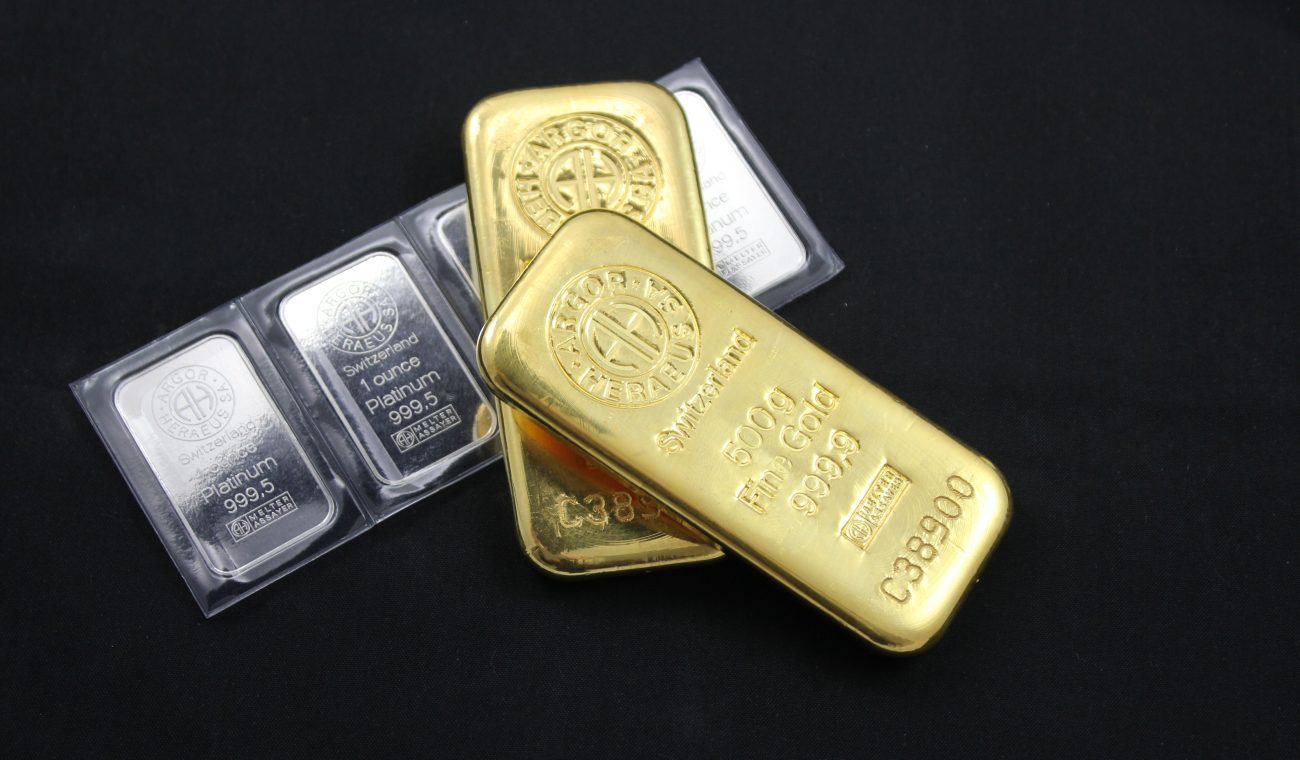
Buying and selling bullion can be an appealing way to participate in the precious metals market. Gold and silver bars, rounds, and investment-grade coins are valued for their metal content and may serve as part of a diversified financial strategy. However, successful transactions require more than finding an attractive price. Buyers and sellers must understand market conditions, product authenticity, transaction costs, and the reputation of the businesses they work with.
Whether you are purchasing your first silver bar or selling gold accumulated over several years, taking time to evaluate these factors can help you make informed decisions and avoid unnecessary complications.
Understand Current Precious Metal Prices
Gold and silver prices fluctuate in response to economic conditions, investor demand, currency movements, interest rates, and geopolitical developments. Before entering a transaction, check the current spot price of the metal you intend to buy or sell.
The spot price represents the market price for immediate delivery of a precious metal under prevailing market conventions. However, it is not necessarily the amount you will pay for a physical product or receive when selling one.
Dealers generally charge premiums above spot prices when selling bullion and may offer purchase prices below spot when buying it back. These differences reflect operating expenses, market conditions, product demand, and other business considerations.
Comparing current prices across multiple reputable dealers can help you determine whether an offer is reasonable. It is also useful to monitor price movements over time rather than relying on a single market quote.
Verify Bullion Authenticity and Purity
Authenticity is one of the most important considerations when buying or selling precious metals. Counterfeit bars and coins can cause substantial financial losses, especially when buyers lack the equipment or experience needed to identify suspicious products.
Before purchasing bullion, examine its markings, weight, dimensions, and stated purity. Gold and silver products commonly display information about their manufacturer, metal content, and fineness. However, markings alone do not prove authenticity because counterfeit products can imitate genuine designs.
Consider purchasing from established dealers who use appropriate verification procedures. Depending on the product, these may include precise weighing, dimensional measurements, electronic testing, or other recognized authentication methods.
When selling bullion, ask how the buyer evaluates precious metals and determines their value. Understanding the testing process can help you feel more confident that the offer reflects the product’s actual composition.
Compare Premiums, Fees, and Selling Offers
The lowest advertised price is not always the best deal. Bullion transactions may involve dealer premiums, shipping charges, insurance, payment processing costs, or other fees that affect the final amount.
For buyers, calculate the total cost of acquiring a product rather than comparing its price with the spot market alone. A bar with a lower premium may be more economical than a collectible coin carrying additional charges that do not necessarily translate into an equivalent resale value.
Sellers should also compare buyback offers. Different dealers may value the same product differently depending on its condition, popularity, and current inventory needs.
Request a clear breakdown of the transaction before committing. Knowing the amount you will pay or receive after applicable charges makes it easier to evaluate competing offers and avoid unpleasant surprises.
Choose a Reputable Bullion Dealer
A dealer’s reputation can significantly influence the quality and security of a transaction. Look for businesses that provide transparent pricing, explain their policies clearly, and answer questions without pressuring customers into immediate decisions.
Check independent customer reviews and examine how the business responds to complaints. You can also look for established operating history, accessible contact information, clear return policies, and documented procedures for purchasing precious metals.
For example, someone researching local options might encounter a business such as Coin Shop Arizona while comparing dealers in the precious metals market. This illustrates why evaluating a company’s practices and transaction terms is more useful than relying on its name or advertising alone.
Before completing a sale, confirm the payment method, expected payment timeline, identification requirements, and any conditions that could affect the final offer. For online transactions, review shipping instructions and insurance arrangements carefully.
Consider the Type of Bullion You Are Trading
Not all precious metal products behave the same way in the resale market. Common bullion bars and widely traded coins are generally valued primarily for their metal content, although their premiums and liquidity can differ.
Collectible or numismatic coins may carry additional value based on rarity, historical significance, condition, or collector demand. However, those premiums can be difficult to recover if the next buyer does not share the same valuation.
Think about your intended purpose before choosing a product. If your priority is obtaining exposure to gold or silver prices, straightforward bullion products may be easier to compare. If you are interested in collecting, you may need to research grading standards, scarcity, and the market for specific issues.
Understanding these differences helps you avoid paying for features that do not match your objectives.
Evaluate Storage and Security
Physical bullion requires secure storage. Even relatively small purchases can represent considerable value, making protection an important part of ownership.
Some people store precious metals in a properly secured home safe, while others consider bank safe-deposit boxes or specialized storage facilities. Each option has different costs, access limitations, and security considerations.
Check whether your insurance policy covers precious metals and understand any exclusions or documentation requirements. Keeping purchase receipts, certificates where applicable, photographs, and records of serial numbers can also help with inventory management and potential insurance claims.
When selling, plan how you will transport the metals safely. For valuable shipments, use suitable packaging, reputable shipping services, and appropriate insurance when available.
Review Your Financial Goals and Timing
Precious metals can experience significant price fluctuations, and there is no guarantee that their value will increase. Buying or selling based on short-term market predictions can expose you to unnecessary risk.
Consider your budget, intended holding period, and reason for trading before making a decision. Avoid committing money needed for essential expenses, and think carefully about how precious metals fit within your broader financial plans.
Sellers should also consider whether immediate cash needs justify accepting a particular offer. Buyers may benefit from comparing prices over time and establishing a spending limit before shopping.
Make Informed Bullion Transactions
Buying and selling bullion requires careful research, realistic expectations, and attention to transaction details. Checking market prices, verifying authenticity, comparing fees, and choosing trustworthy dealers can help reduce avoidable risks.
By understanding product differences and planning for storage, security, and financial goals, you can approach precious metal transactions with greater confidence. A thoughtful process helps ensure that each purchase or sale is based on clear information rather than pressure or assumptions.