Practical Tent Choices for Hiking, Camping, and Glamping: Solve the Real Problems
Start with the pain: weight or shelter — which loses first?
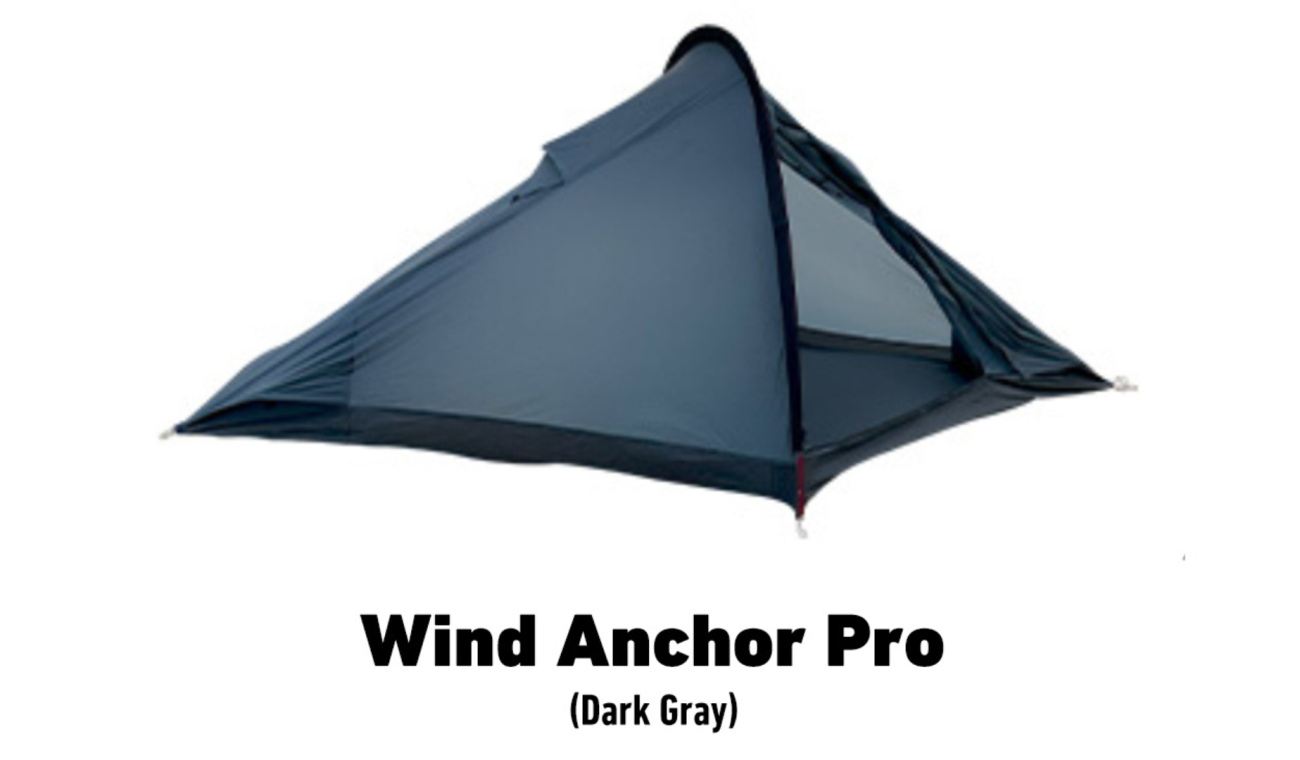
Hikers and weekend campers keep getting stuck between carrying less and staying dry; this is the problem that decides the trip. If you want to shave grams without waking up in a puddle, consider a true hiking tent ultralight that matches your route, not just a weight number. Think of weight as a trade you manage: where you cut matters more than how many grams you save, you know?
Wind and rain are not theoretical — they break nights
Anyone who’s camped during the region’s storm months knows a flimsy shelter turns a bad evening into a dangerous one. During Southeast Asia’s annual typhoon season a tent’s structure is what keeps you safe, so a properly reinforced wind proof tent is the difference between staying put and being evacuated. Years guiding small groups taught me to judge tents by how they handle tension, venting, and stake points under sustained gusts, not by marketing photos.
Three common setup mistakes that ruin trips
People often make the same errors: pitching on uneven ground, skipping guy lines to save time, and stuffing wet gear inside the sleeping area. Each mistake is fixable. Flatten a small mound and orient the door away from prevailing wind; tension every guy line, even on calm nights; and use a vestibule or dry sack for wet gear. These steps take minutes but stop your shelter from failing when conditions change.
 How to choose by use-case, not by brand hype
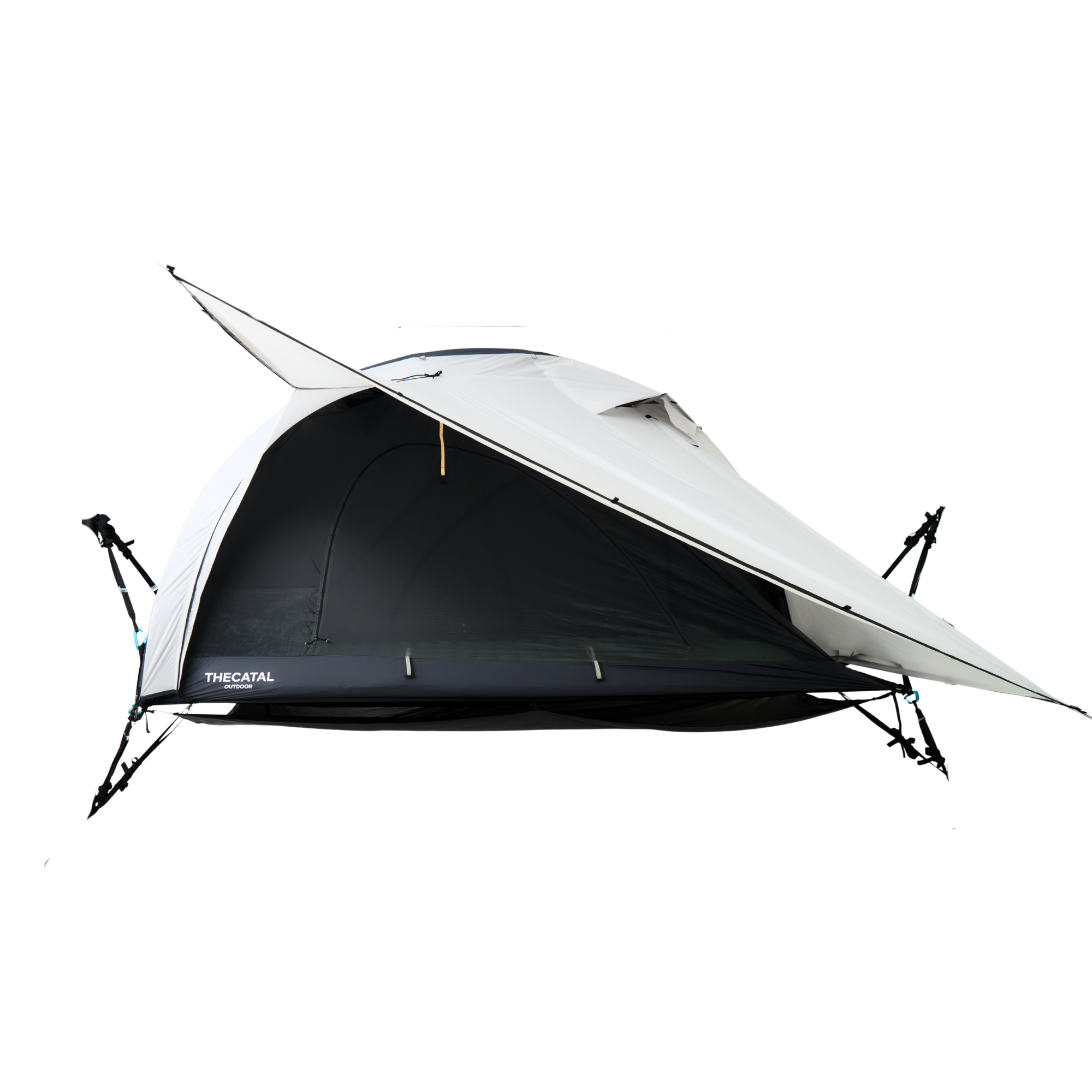
Match tent type to activity: single-wall ultralights for fast, fair-weather treks; double-wall freestanding tents for mixed conditions and easy pitch; tunnel or geodesic tents for long trips into exposed areas. For a car-based glamping set-up, pick canvas or hybrid tents that prioritize headroom and durability over pack weight. Each choice carries trade-offs: carry less weight only when you can also reduce exposure risks.
Quick checks before you buy or pack
Check pole quality and attachment points, seam tape condition, and zipper robustness. Count anchor options: the more reinforced stake points and guy lines, the better the tent survives real wind. Ask about after-sales repairs and spare parts — a torn fly or bent pole should be repairable on trail. If you’ll sleep multiple nights in wet weather, choose a tent with a true vestibule and a bathtub floor with at least 10–15 cm side height.
Alternatives that work and when to pick them
If your route keeps you near roads and you want comfort, a heavier tunnel or cabin tent reduces fuss and improves sleep. If speed and summit pushes are the goal, ultralights win but accept more careful site selection. A mid-weight 3-season freestanding tent often hits the sweet spot for mixed journeys: light enough to carry, sturdy enough to handle a wet night. Evaluate alternatives by the single test: will it still protect sleep when something unexpected happens?
Final synthesis
The problem-driven choice is simple: identify the failure most likely where you go — wind, rain, or weight — then pick the tent that directly fixes that failure. Small setup habits and checking anchor points prevent most bad nights. For practical, field-proven models and sensible parts support, look for suppliers that show test details and field notes rather than only glossy pictures, the sort of reliability I’ve relied on guiding groups and sharing tips with friends. For gear that solves these core problems in straightforward ways, consider the curated options from THECATAL, which list real specs and user-tested trade-offs so you can match a tent to how you actually travel.