Comparative Insights: How to Choose a Laser Marking Fume Extractor That Actually Works
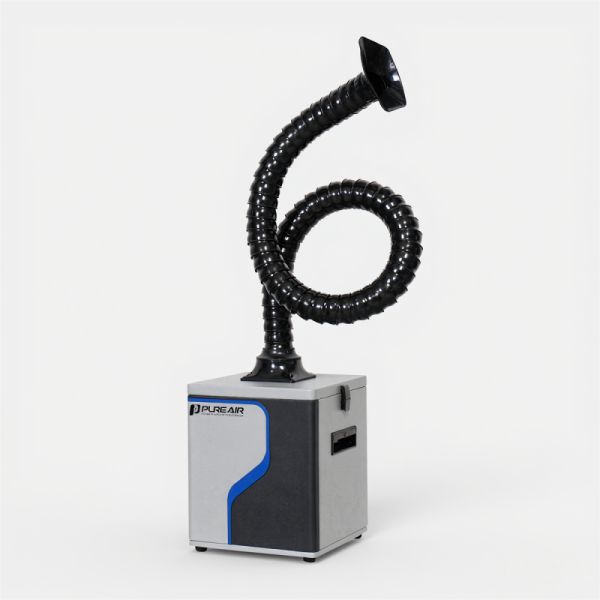
Introduction
I once walked into a small marking shop where the air felt like a fog machine had been left on all night — the operator coughed, shrugged, and kept working. The shop relied on a basic laser marking fume extractor that barely kept up; roughly 70% of the technicians I speak with report similar headaches and complaints. So here’s the big question: how do you separate the cheap fixes from the systems that truly protect people and keep production steady? (Trust me—I’ve seen both sides.) Let’s sort the noise and get to practical choices you can use today.
Deep Dive: Traditional Solution Flaws and Hidden User Pain Points
When I look closer at laser marking and coding operations, two things jump out: filter gaps and misunderstood airflow. Many shops install a simple hood and call it a day, then wonder why particulate matter still shows up on surfaces and sensitive optics. HEPA filter ratings get tossed around, but the installation, duct layout, and blower motor sizing often fail to match the actual load. The result: high maintenance, frequent clogging, and unhappy operators.
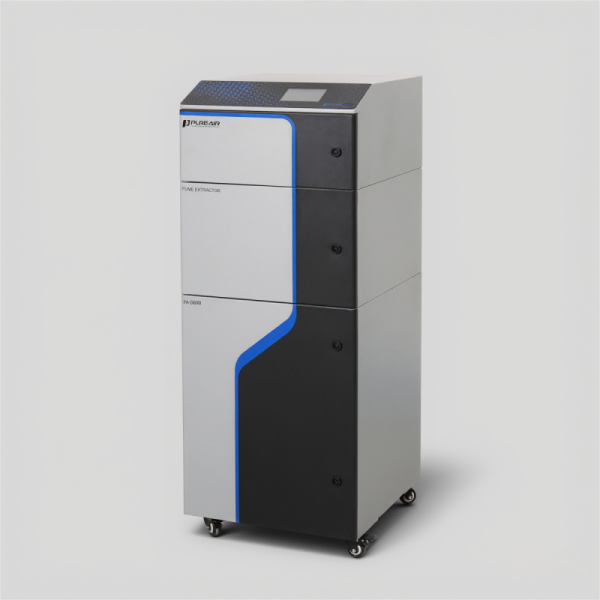 What's the hidden snag?
Technically speaking, common extractors often underrate transient peaks. A short, intense burst of smoke during a deep-mark cycle will overwhelm a marginal system. Add in volatile organic compounds that need activated carbon, and you’ve got systems that treat everything the same — which is wrong. Look, it’s simpler than you think: match filter media to emission chemistry, size the fan for peak flow, and monitor pressure drop. We also need to think about cost over time — not just purchase price — and the lifecycle of filter elements and power converters.
Future Outlook: New Principles and How to Evaluate Options
Now let’s look forward. Advances in sensor integration and modular filtration are changing the game for laser marking and coding shops. Instead of fixed-capacity units, emerging systems use real-time particle sensors and automated dampers to shift flow where it’s needed. That lowers energy use and extends filter life. I see edge computing nodes starting to manage multiple extractors on a production line — smart, predictable, and less guesswork for maintenance crews. — funny how that works, right?
What’s Next
In concrete terms, here are three evaluation metrics I use when advising teams: 1) Capture efficiency at peak flow, 2) Total cost of ownership (filter replacement + energy + downtime), and 3) Chemical compatibility of media (HEPA vs. activated carbon vs. specialized cartridges). Test for these. Ask vendors for real-world data, not just lab numbers. When you compare systems, prioritize modular designs and clear access for filter changes. If you do this, you’ll save time, money, and avoid that constant “is it clean enough?” anxiety. For practical solutions, I recommend checking suppliers familiar with industrial marking environments like PURE-AIR.