How Rapid Emergency Traffic Control Helps Keep Communities Safe
A water main bursts under a busy street. A truck spills its load across a highway lane. A gas crew finds a leak near a school. A storm knocks a utility pole onto the road in the middle of the night.
In moments like these, the danger doesn’t end when the emergency happens. Crews need to get to work, and drivers need to be guided safely around the problem. The faster that roadway is secured, the lower the risk for everyone nearby.
That’s where emergency traffic control comes in. It plays a major role in protecting workers, drivers, pedestrians and first responders.
Responding Quickly When Every Minute Counts
Unexpected roadway hazards rarely happen at convenient times. Water line breaks, gas leaks, crashes and storm damage can strike at rush hour, overnight, during school drop-off or on a holiday weekend.
When a hazard sits unprotected in a travel lane, the chance of a secondary crash rises. Drivers may not see the danger until the last second, especially at night, around curves, over hills or in bad weather.
A dedicated emergency traffic control team can arrive, assess the scene, coordinate with crews on site and set up a safe work zone quickly. Having crews and equipment ready around the clock means utility workers and contractors can start repairs sooner, which helps reopen roads faster and limits disruption to the community.
Using the Right Tools to Guide Drivers
Effective traffic control depends on clear communication with drivers. The goal is to tell them what’s ahead, how fast to travel, where to go and how to get through safely.
Arrow boards are among the most useful tools in an emergency. Their bright, flashing signals can be seen from a long distance and give drivers early warning to merge or change lanes.
Water-filled barriers help separate traffic from the work area. They’re easy to move into place, can be filled on-site, can be drained for removal and create a clear physical boundary between vehicles and crews. Some models are designed to help absorb impacts, adding another layer of protection.
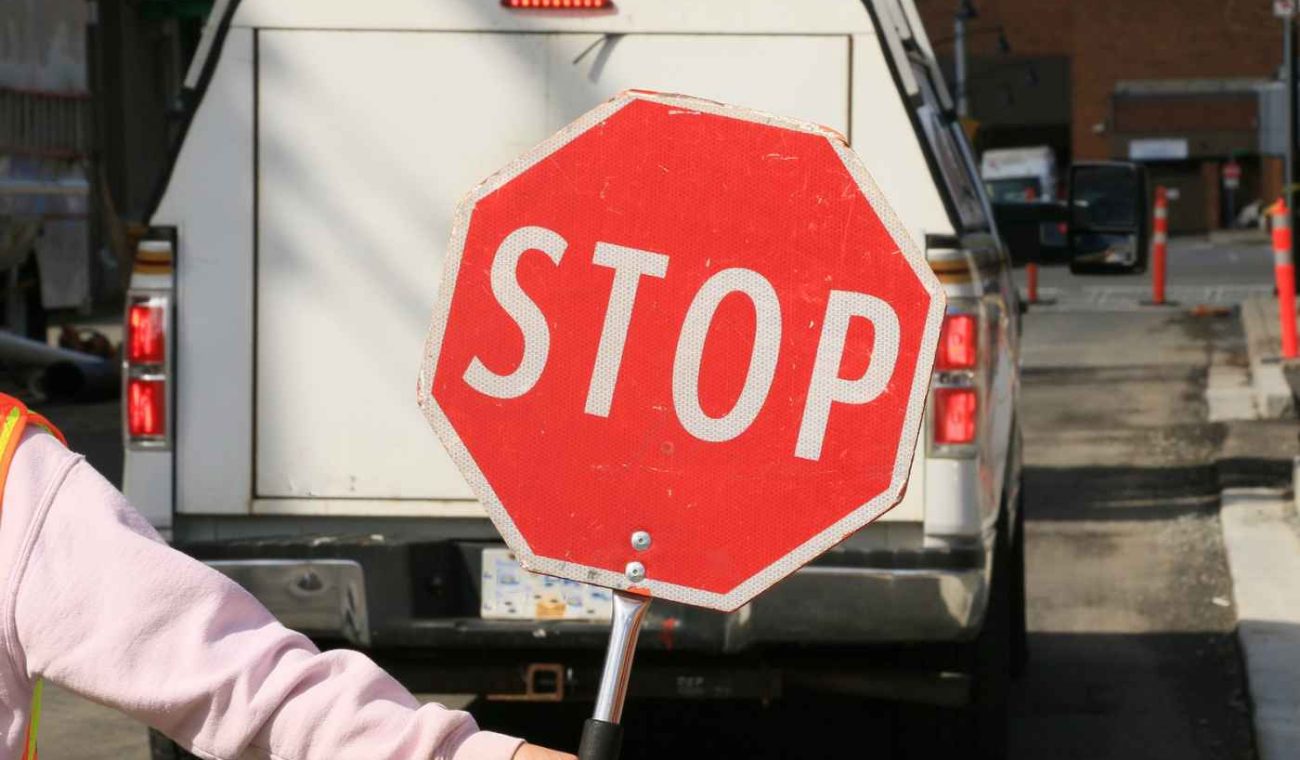
Other tools fill in the picture. Cones, drums, warning signs and variable message boards guide drivers through the area, while trained flaggers can direct traffic when conditions change quickly.
Choosing an Experienced Traffic Control Partner
Speed matters in an emergency, but so does doing the job right. A rushed setup with missing signs, poor spacing, dim lighting or confusing lane shifts can create new hazards instead of solving the old ones.
That’s why it’s important to work with a trusted company such as Signs & Safety Devices, which provides lane closure services, emergency response, equipment rentals and traffic safety products for roadways throughout New Jersey and nearby states. An experienced provider understands how to plan closures for different road types, from local streets to multilane highways, and can supply the equipment needed to secure a site.
When comparing traffic control companies, ask about their response times, the equipment they have available, how they train their crews and whether their setups follow federal and state standards for temporary traffic control.
Good partners also communicate clearly with utility crews, contractors, police and local officials so everyone knows what to expect.
Protecting Workers and the Public
Roadway work zones can be dangerous places. Crews often work just steps away from moving traffic, and just a moment of driver distraction can cause serious harm.
Proper traffic control gives workers the space they need to focus on repairs. It also protects drivers by reducing sudden lane changes, sharp braking, last-second swerves and confusion about where to go.
Pedestrians and cyclists benefit, too. Clear detours and protected walkways help keep people on foot or bike away from heavy equipment and open trenches.
Building Safer, More Prepared Communities
What communities can control is how quickly and safely they respond.
Fast, well-planned traffic control helps reduce secondary crashes, shorten road closures, protect workers and keep traffic moving as smoothly as possible.
For drivers, it may simply look like a line of cones and a flashing arrow. Behind that setup, though, is a team working to make sure everyone gets home safely.