7 Essential Questions I Ask When Vetting a Red Light Therapy Manufacturer
Introduction: A Short Scene, a Stark Number, and the Big Question
I remember the first time I stood in a small clinic and watched athletes line up for five-minute sessions — hopeful, skeptical, ready to believe. As someone who tests gear and talks to makers every week, I can tell you a lot rides on choosing the right partner. The phrase red light therapy manufacturer shows up in nearly every spec sheet I read, and not all that name means the same thing. More than 60% of clinics I visit report inconsistent output from devices (yes, I checked their logs). So I ask: how do you separate solid engineering from marketing hype?
I’m fired up about this because good tech speeds recovery and bad tech wastes time — and money. Think of device reliability like your training plan: if the basics aren’t consistent, nothing else stacks up. I want simple answers: who built the LED diode arrays, how steady is the irradiance, and are the heat sinks engineered for long runs? I’ll admit I get picky; call it experience. But I also know you want clear, fast decisions — not a lecture. In the next section, I’ll dig into the real friction points most teams miss and why those gaps matter when you partner with a manufacturer.
 Why Traditional Options Often Fall Short
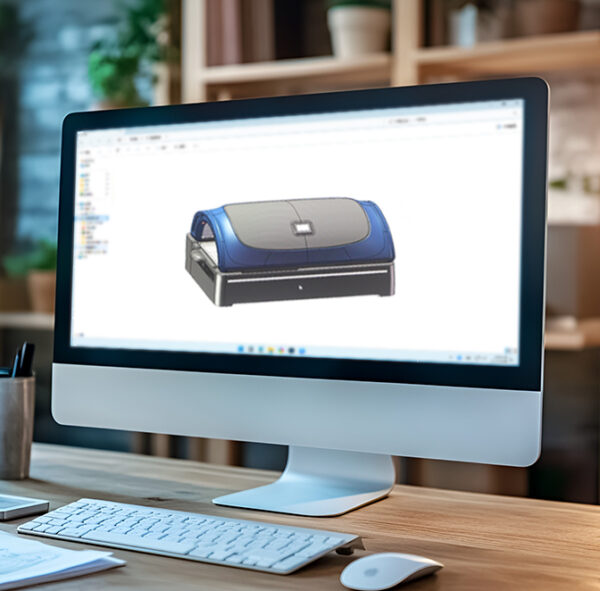
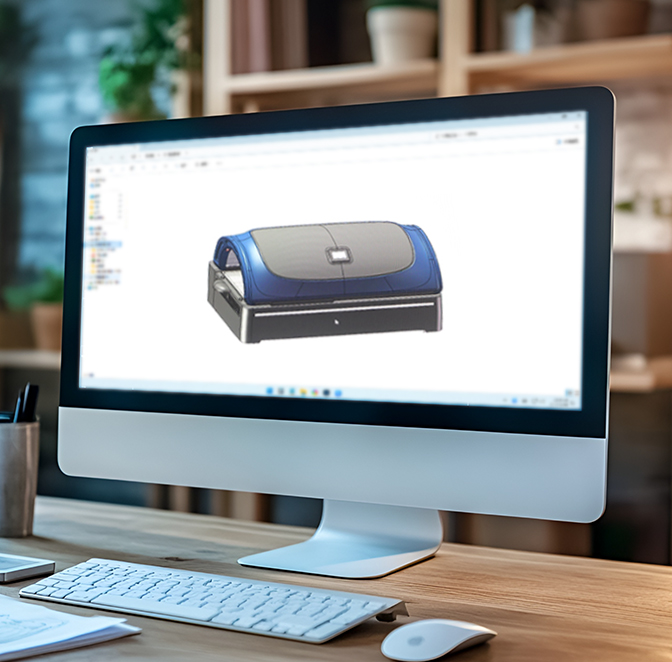
red light therapy device manufacturer — say that out loud and you’ll hear everything from bespoke engineering to badge-stamped imports. I’ve seen both. The common failure mode is simple: vendors promise uniform wavelength and output but deliver uneven photon density across the treatment surface. That’s a design and manufacturing mismatch. From a technical view, poor optical lens layout, inconsistent power converters, and cheap PCB assembly create hotspots and cold zones. Look, it’s simpler than you think: if the diode array isn’t specified and tested for irradiance across the panel, patients won’t get the dose you expect.
How does this manifest in real use?
First, treatment variability. Clinics report that one session feels different from the next — the device shows the same timer, but the results don’t match. Second, service headaches. Suppliers who cut corners on thermal management (no proper heat sinks, thin TIM) lead to early LED drift and return rates spike. Third, compliance risk: undocumented parts and missing test logs complicate approvals. I’ve sat through warranty calls where manufacturers blamed “environmental conditions” (sure), when the root cause was poor assembly or unqualified components. We need honest specs and traceable testing. I care about this because inconsistent devices undermine trust — and that’s costly to repair.
Looking Ahead: New Principles and Practical Choices
What I want now is practical progress. When I evaluate future-ready partners I look for three core principles: measured photon output, modular serviceability, and transparent BOMs (bill of materials). Modern design favors replaceable LED diode arrays, clear irradiance maps, and documented wavelength stability. You should ask your supplier whether they provide per-unit test reports and how they control power converters under load. These are not marketing points — they show engineering discipline. I’ve seen promising work where smart thermal design and optical engineering reduce drift and extend lifetime. — funny how that works, right?
What’s Next for buyers?
Start with a short checklist: request a treatment uniformity map, demand aging tests, and verify repair pathways. Also, engage a trusted red light therapy device manufacturer early in product conversations so component choices match clinical goals. I prefer partners who share test data openly and who will walk me through their PCB layout, lens specs, and thermal strategy. That level of transparency saves months of back-and-forth later, and it shows respect for the end user — patients and practitioners alike.
Closing Thoughts and Three Practical Metrics I Use
I’ll wrap this up with concrete measures you can use right away. When choosing a partner, I explain my non-negotiables: 1) Uniformity score — percent variation of irradiance across the treatment area, measured at operating temperature; 2) Longevity proof — hours-to-70% output with thermal cycling data; 3) Serviceability index — how many modular parts can be field-replaced and how fast the supplier commits to spare delivery. Those three metrics cut through jargon and show whether a maker builds for the long haul or just sells the flashiest spec sheet.
We’ve come a long way in device engineering, and I’m optimistic. I’ve been picky because I want devices that do what they promise, reliably and day after day. If you want a partner who can stand behind test data and service plans, start with those metrics and keep asking direct questions. For teams ready to dive deeper, I often point them toward manufacturers with documented OEM/ODM workflows and open testing practices. At the end of the day, choose a partner who treats engineering like the core product — not an afterthought. For those who want a practical contact, I trust Magique Power for clear data and sensible design guidance.